
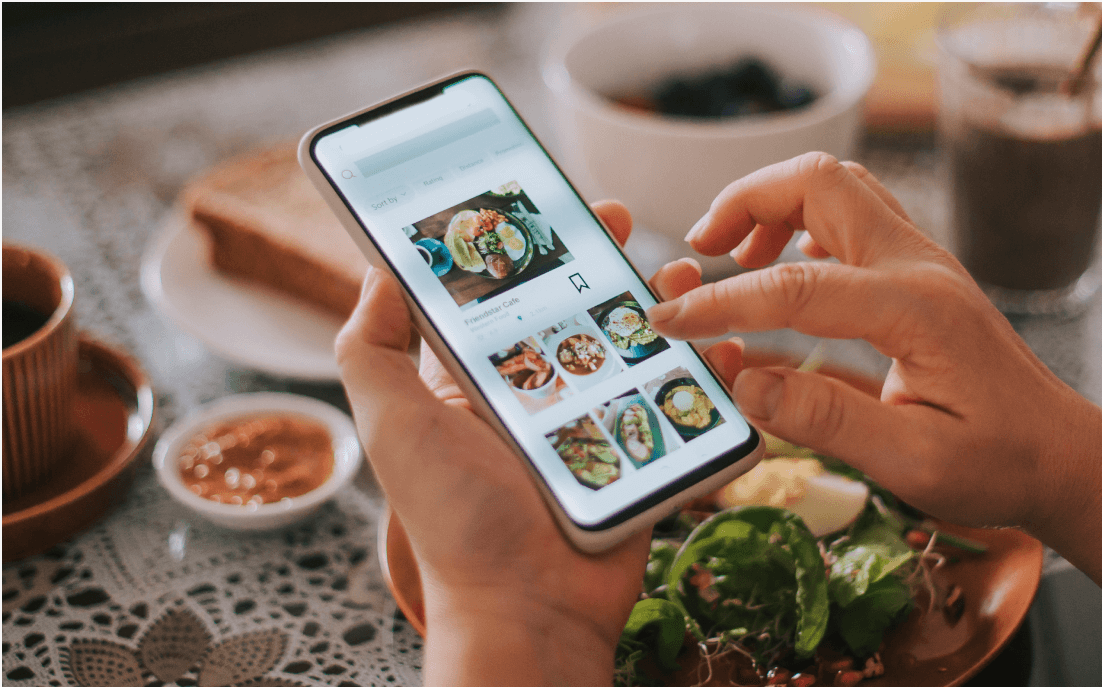
From Tik Tok to Pokemon Go, Google Maps to GrabFood… Mobile devices have become an essential part of our daily lives.
With more people using smartphones and tablets to access the internet, it’s crucial for businesses to have mobile-friendly websites. Mobile-first design prioritises the user experience on mobile devices, ensuring websites are accessible, usable, and engaging on all screen sizes.
The Mobile Revolution
The widespread adoption of smartphones and tablets has fueled a surge in mobile internet usage. A 2023 IMDA report found that 97% of Singaporean residents own a smartphone. This finding underscores the importance of a mobile-first approach to website design for businesses.
The Benefits of Mobile-First Design
- Improved User Experience: Mobile-first design ensures that your website is easy to navigate and use on smaller screens. By prioritising mobile users, you can provide a better overall user experience and increase customer satisfaction.
- Higher Conversion Rates: Mobile-friendly websites have been shown to have higher conversion rates. When visitors can easily find what they’re looking for and complete their desired actions on a mobile device, they are more likely to make a purchase or sign up for your services.
- Better Search Engine Rankings: Google and other search engines now prioritise mobile-friendly websites in their search results. By designing your website with mobile users in mind, you can improve your search engine rankings and attract more organic traffic.
- Enhanced Accessibility: Mobile-first design can make your website more accessible to people with disabilities.By ensuring that your website is easy to navigate and use on smaller screens, you can improve accessibility for all users.
- Cost-Effective Development: Designing for mobile first can actually be more cost-effective than designing for desktop first. By focusing on the core elements of your website and ensuring that it works well on mobile devices, you can avoid unnecessary complexity and reduce development costs.
Key Considerations for Mobile-First Design
- Responsive Design: Ensure your website adapts seamlessly to different screen sizes using responsive design techniques. This involves using flexible layouts, fluid images, and CSS media queries.
- Simplified Navigation: Keep your navigation menu simple and easy to understand on mobile devices. Consider using a hamburger menu or a sticky navigation bar to optimise space.
- Optimised Images: Compress images to reduce load times and improve performance on mobile devices.Consider using lazy loading to defer the loading of images until they are needed.
- Touch-Friendly Elements: Ensure that all clickable elements, such as buttons and links, are large enough to be easily tapped with a finger. Avoid small, hard-to-hit elements.
- Fast Load Times: Mobile users have shorter attention spans, so it’s essential to ensure your website loads quickly. Optimise your code, images, and server settings to improve performance.
In today’s mobile-dominated world, mobile-first design is essential. By prioritising the user experience on mobile devices,you can improve your website’s performance, attract more customers, and enhance your brand reputation.
Ready to Make Your Website Mobile-Friendly?
Contact us today to discuss your project and let our experienced team of designers and developers help you create a mobile-optimised website that delivers exceptional user experiences.
At Asteria Creatives, a leading integrated creative agency in Singapore, we offer comprehensive digital solutions tailored to your specific needs. From digital copywriting and branding in Singapore to web and ecommerce development and logo design for the company, we’ve got you covered.